Back
Back 

Table of Contents
- How Cars Are Classified
- Most Popular Car Body Types
- Classification by Size
- Classification by Purpose
- Classification by Price Range
- Classification by Engine and Fuel Type
- Classification by Performance Characteristics
If you are a car enthusiast or looking to choose a vehicle for your needs, you are likely wondering what types of cars exist and which one would suit you best. The official appearance of the first car with an internal combustion engine dates back to 1886. For over a century, this mode of transport has come a long way. And since the automobile is one of the most important inventions of all time, let's learn everything we can about it.
After reading this article, you will learn about the most popular types of cars, a bit of history, and which body style will be best for you.
How Cars Are Classified
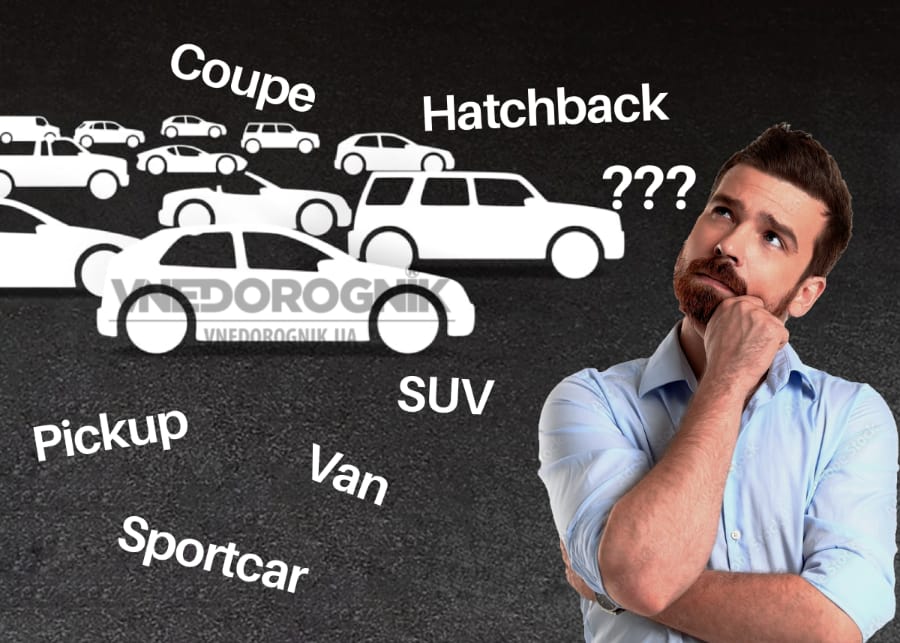
This list of car types is not exhaustive, but it includes the most common ways to classify vehicles. Keep in mind that a car is not limited to just one category.
The more you understand car classifications, the better you will understand the industry as a whole and which car types or models suit you best.
Most Common Car Classifications:
- By Body Style
Cars are assembled, designed, and configured differently, leading to different driving experiences. Body styles and vehicle purposes are inextricably linked.
For example, a coupe and a hatchback have completely different capabilities, advantages, and disadvantages.
- By Size
A car's size alone is not enough to decide which vehicle to buy, but it is definitely worth considering. This text will help you understand whether you need a road "liner" or if a city "subcompact" will suffice.
- By Purpose
Every car model was created or tuned with a specific purpose in mind. For example, some cars are designed for racing, while others are for the comfortable transport of people.
Some cars are vehicles people would never drive every day because their purpose does not fit their lifestyle.
- By Price Range
All cars fit into an affordability scale. There are various car classifications for any budget. Automakers create both inexpensive models for the mass consumer and ultra-high-tech flagships.
- By Engine and Fuel
Nowadays, automotive powerplants are not limited to gasoline ICEs. Diesel, gas, hydrogen, hybrid, and electric cars — road transport is constantly evolving and offering drivers new opportunities.
- By Performance
Some cars are created solely for speed, handling, and aesthetics. Automakers haven't always been the pioneers of sports cars; they often drew ideas from everyday street racers.
What Are the Most Popular Car Body Types
Sedan
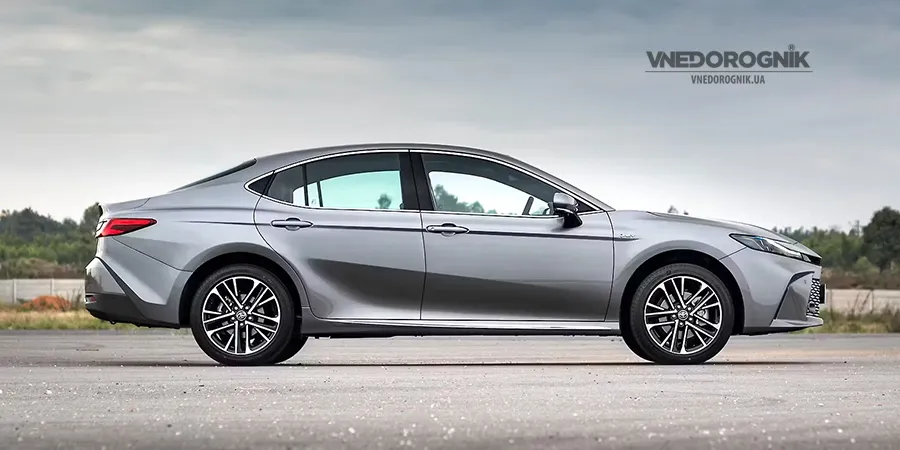
Sedans are classic family cars. This type of car has four doors, comes in several sizes, and is characterized by a three-box configuration. That is, the engine, passenger cabin, and cargo area are separate spaces. It is a classic body type that usually offers a relatively spacious interior, a roomy trunk, and even weight distribution, which is good for handling. The Toyota Camry is a typical representative of a sedan.
Coupe
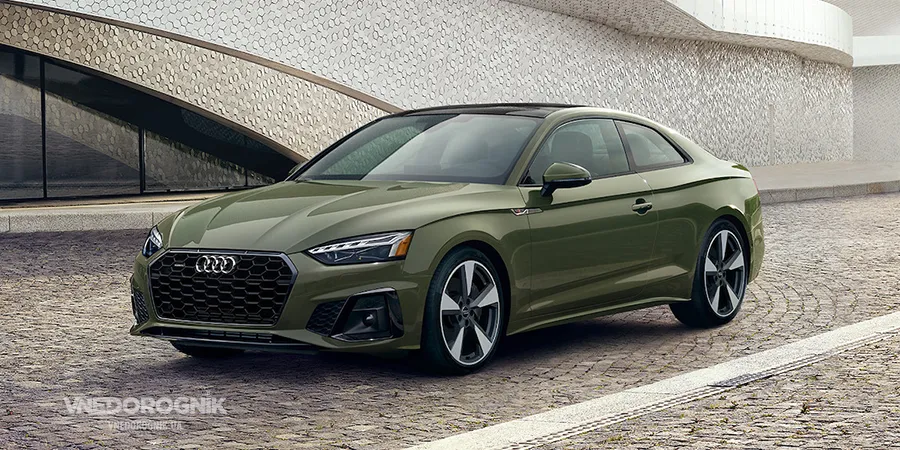
Traditionally, a coupe is considered a sports car with two doors and two rows of seats. Unlike a sedan, rear passengers are offered minimum space and comfort. The appeal of this vehicle lies in its elegant appearance and speed. Some automakers consider their four-door cars to be coupes due to their sloping roofline. However, this definition is not universally accepted among car enthusiasts. Coupes are best suited for childless drivers and couples. The Audi A5 is a representative of a coupe.
Station Wagon
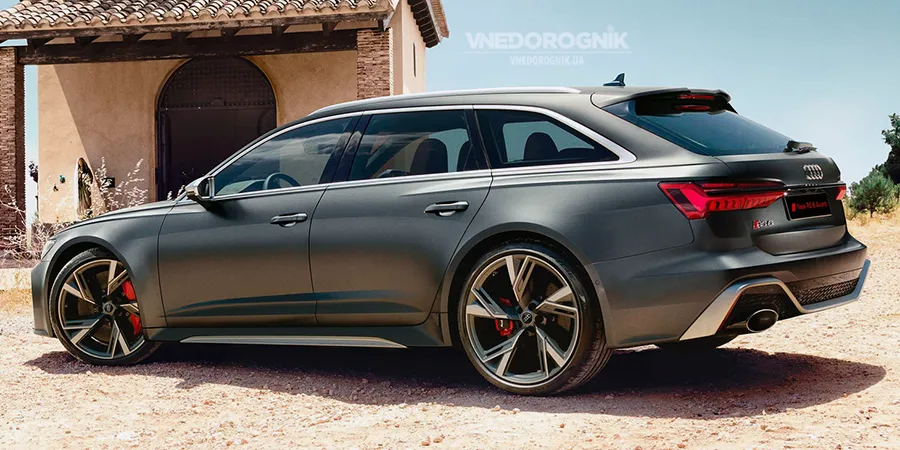
Imagine a sedan with an enlarged cargo section that is integrated with the passenger cabin. That would be a station wagon. Usually, wagons and sedans are built on the same chassis, so they behave quite similarly on the road. This body style allows you to fold the rear seats and get a lot of space inside. The Audi RS6 is a representative of the station wagon type (Audi calls models of this type Avant).
SUV
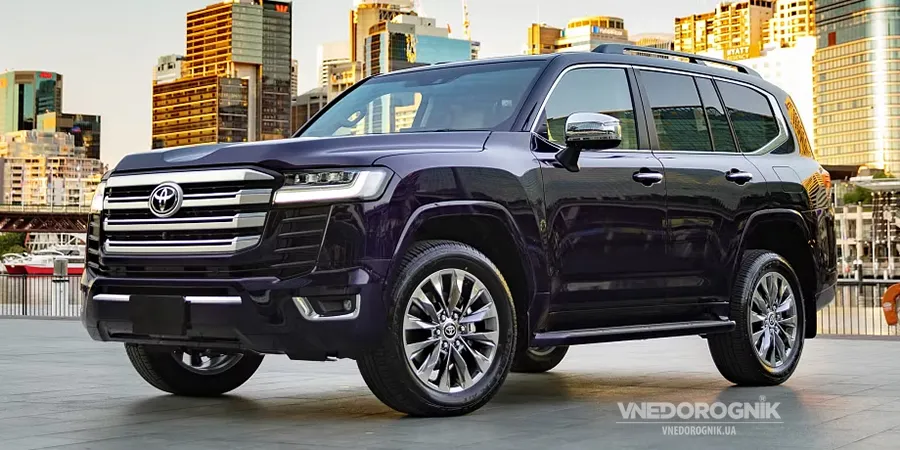
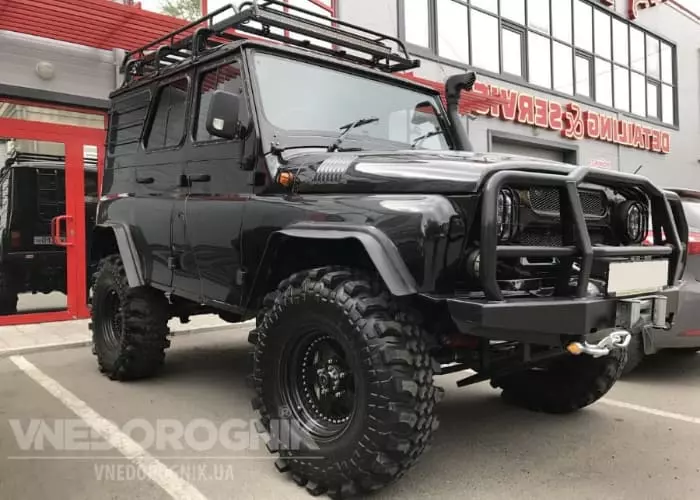
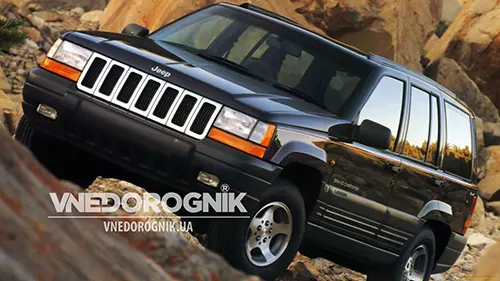
Whether you plan to travel off-road or need extra space for passengers and cargo, SUVs satisfy both requirements. An SUV has high ground clearance, all-wheel drive, and a large trunk like a station wagon. They usually have a metal frame base to which the body is attached. This design is best for off-roading. A prime example is the Toyota Land Cruiser. There are also unibody models instead of frame-based ones, where all structural elements are attached directly to the body. For example, the Jeep Grand Cherokee.
This class of vehicle is suitable for those who want to travel a lot to places where roads are poor or completely absent. To ensure your SUV can go anywhere, upgrade it with the Vnedorognik.ua store.
Dragon Winch DWM 12000 HD Synthetic 12V
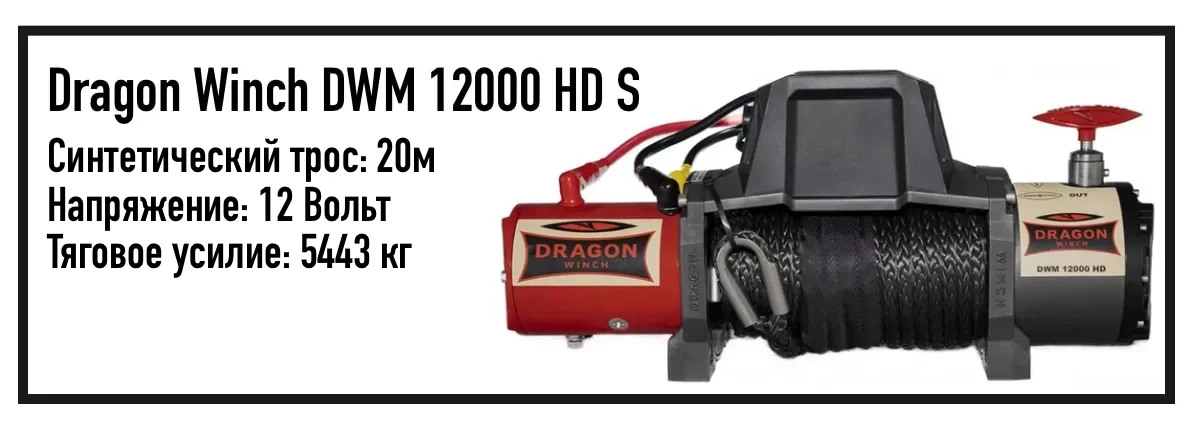
Here you can buy reinforced suspension, off-road bumpers, winches, and much more for all popular SUV models.

Crossover or CUV
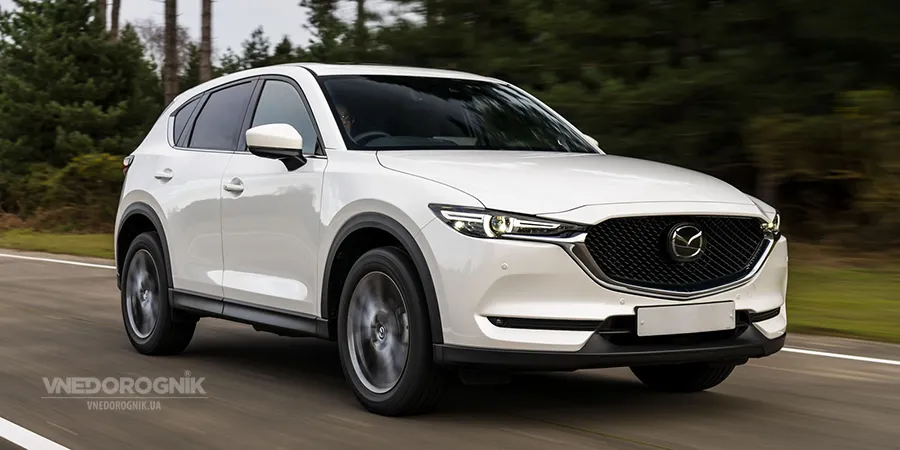
A CUV, also known as a crossover or compact SUV, is a middle ground between a full-fledged SUV and a city passenger car. It has a spacious interior and trunk, good handling, and high ground clearance, which significantly improves visibility. A crossover will also please you with better fuel economy than an SUV. However, it is designed only for light off-roading and is not suitable for harsh conditions. The Mazda CX-5 is a crossover.
Regardless of what car you have, high-quality floor mats are always useful. At Vnedorognik.ua, you can buy interior floor mats for all modern car models with fast delivery and an official warranty.
Hatchback
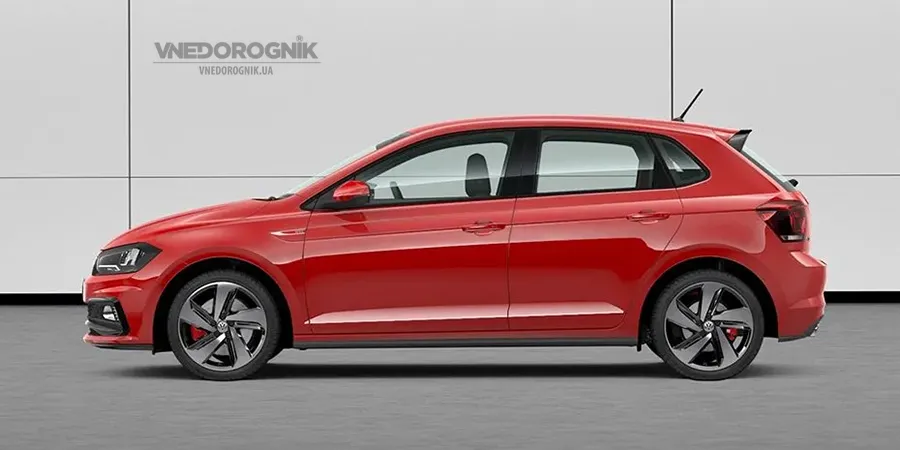
A hatchback body is more compact than a sedan or station wagon. It is characterized by a small trunk that barely extends beyond the rear wheels. A hatchback is called a 3-door or 5-door car because of the tailgate that lifts up to open the cargo area. Why not just buy a CUV? A hatchback is sportier than a crossover thanks to a low center of gravity, has a budget price, and is easy to maintain. The Volkswagen Polo is a type of hatchback.
Convertible
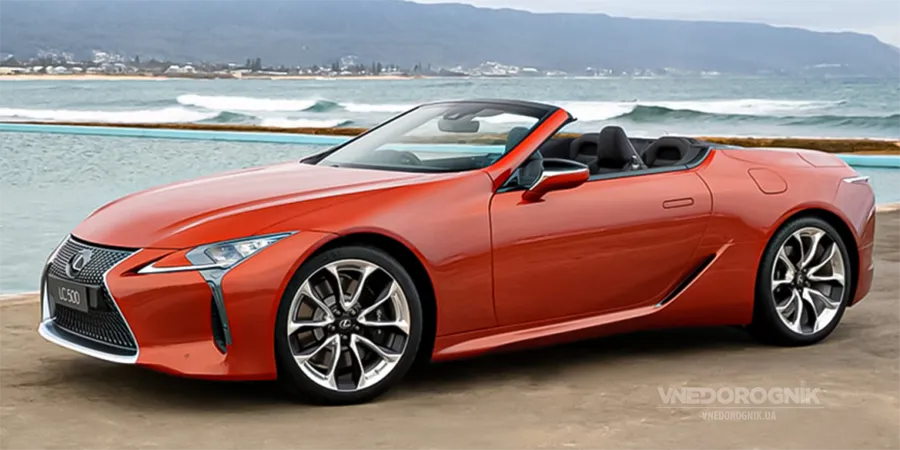
The winning feature of a convertible is the roof, which can be removed or automatically folded. The roof can be hard or soft. Convertible interiors are often two-seaters. A stylish convertible is definitely not for someone with a family, but it can be the perfect car for the weekend.
Pickup Truck
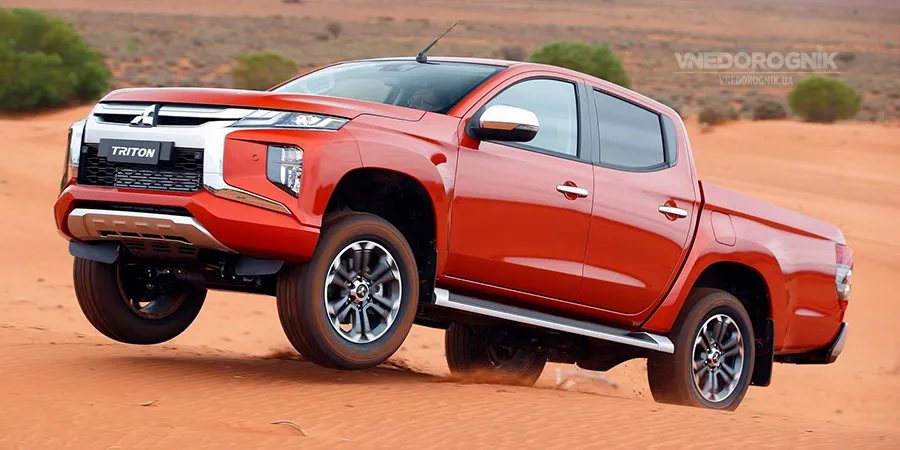
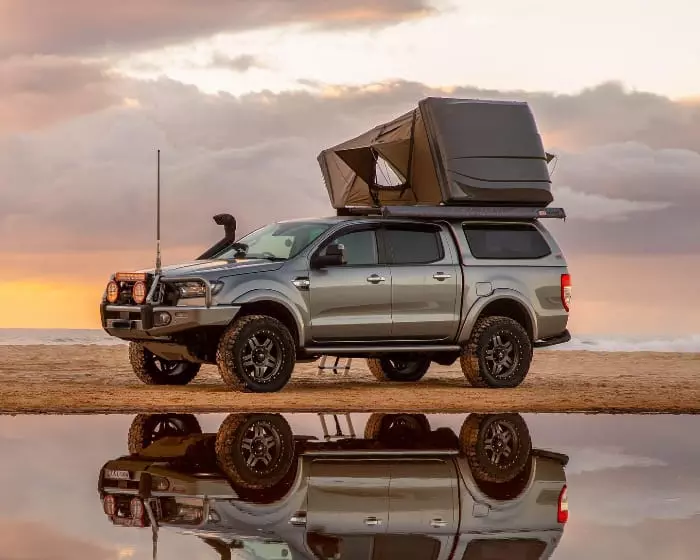
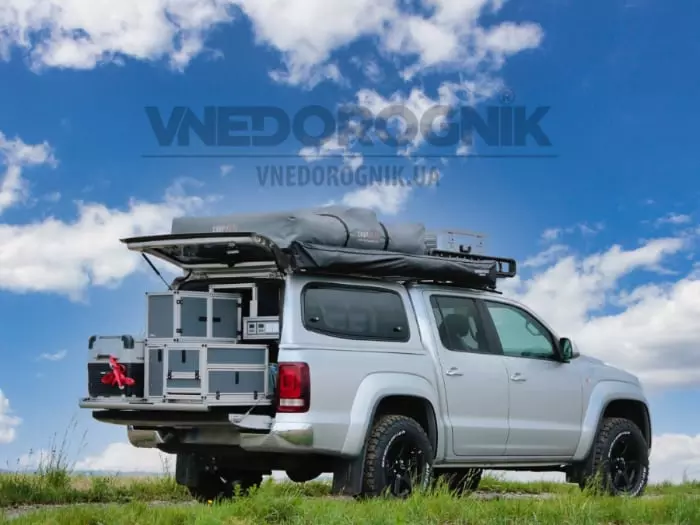
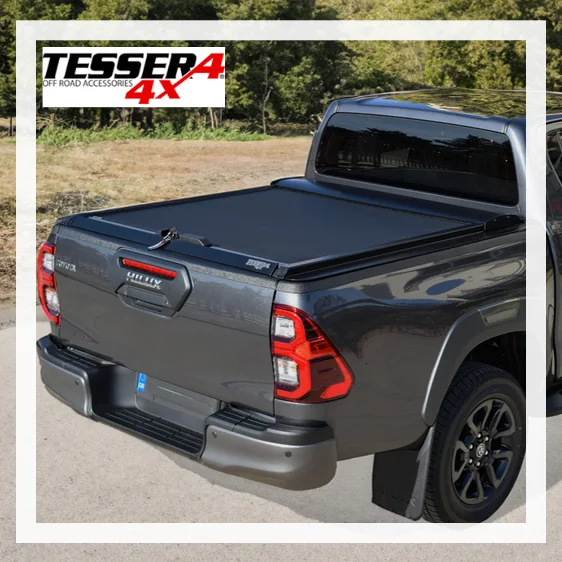
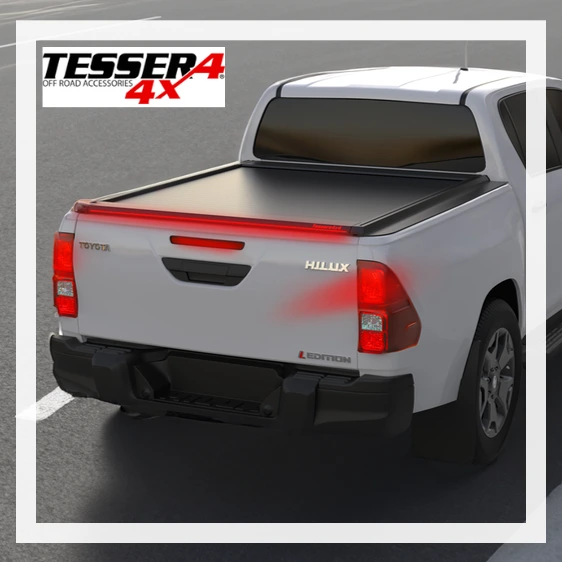
If you need a workhorse, pay attention to the pickup truck type of passenger vehicle. Essentially, it is an SUV, but with an open cargo area, also called a bed. This feature makes the pickup an extremely versatile vehicle. For example, you can install a canopy (kung) on the bed, turning the pickup into a van. Or a roller shutter, which when closed protects everyday cargo from dirt, and when rolled up won't interfere with transporting large items.
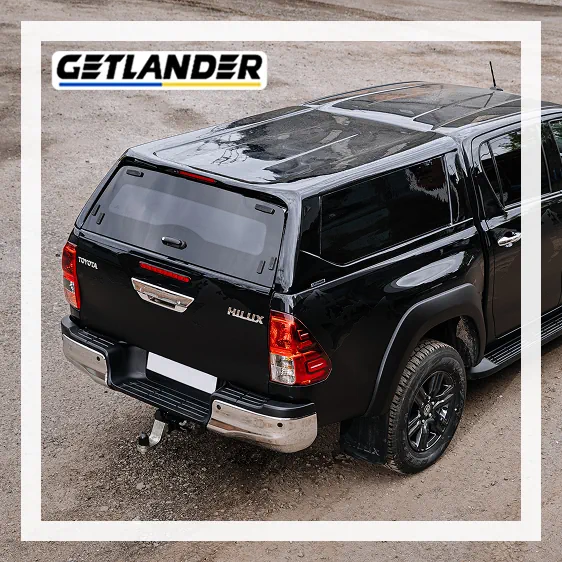
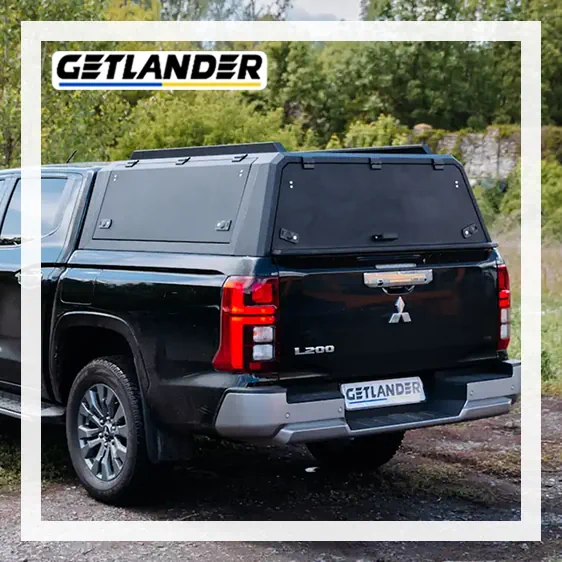
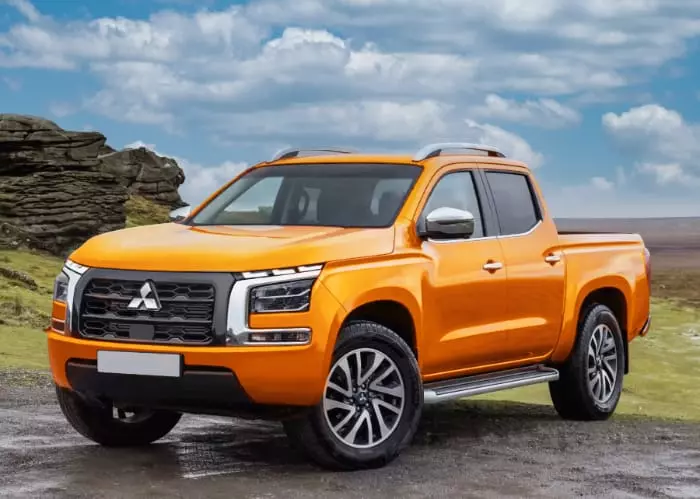
A pickup cabin accommodates two to six people. These cars can traverse rough terrain, transport, and tow heavy loads as often as you need. Pickups come in light-duty and heavy-duty versions. The Mitsubishi L200 is a well-known representative of the pickup class.
Van
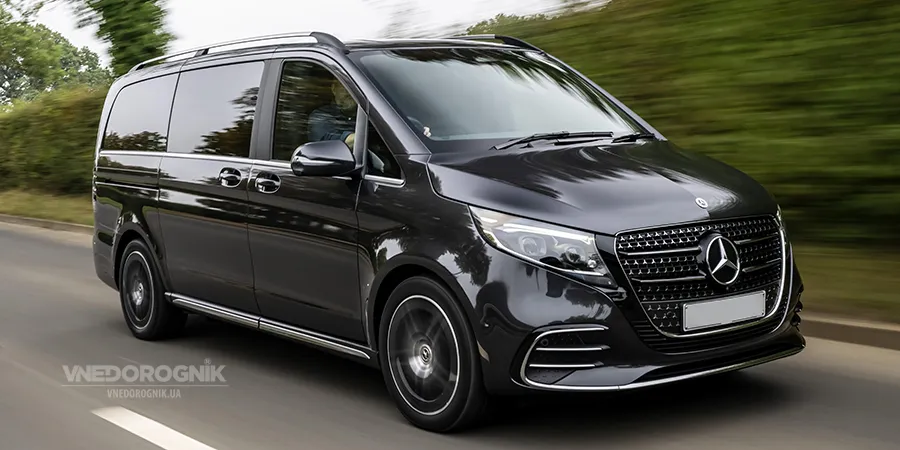
These large vehicles are designed for transporting large numbers of people or cargo. Instead of a trunk, they have a large platform in the back and can carry up to 20 people or several tons of cargo. Vans are widely used for family trips, as shuttle taxis, and for commercial purposes.
How Cars Are Classified by Size
Microcars or Kei Cars
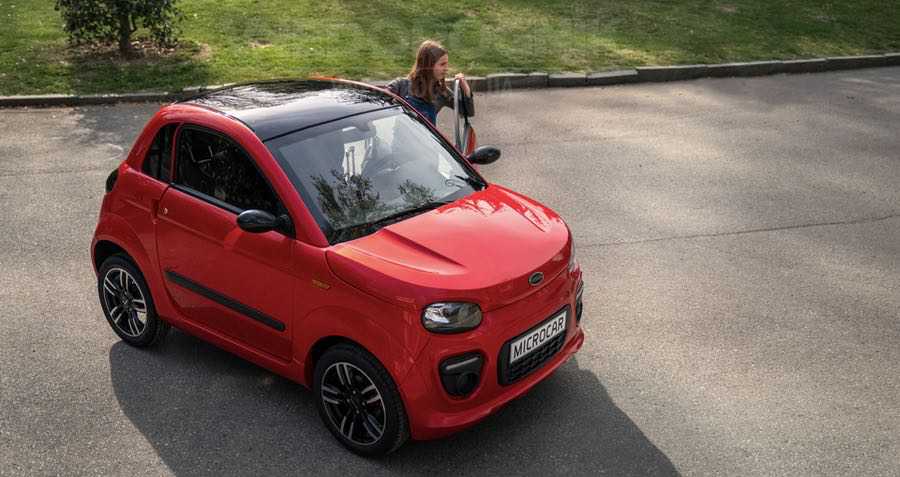
Kei cars are the smallest cars in terms of size. These vehicles haven't gained popularity in the USA, but they are loved in other parts of the world like Japan, Indonesia, and Europe. These cars have tiny engines, seat two people, and have three or four wheels.
Subcompacts and Compact Cars
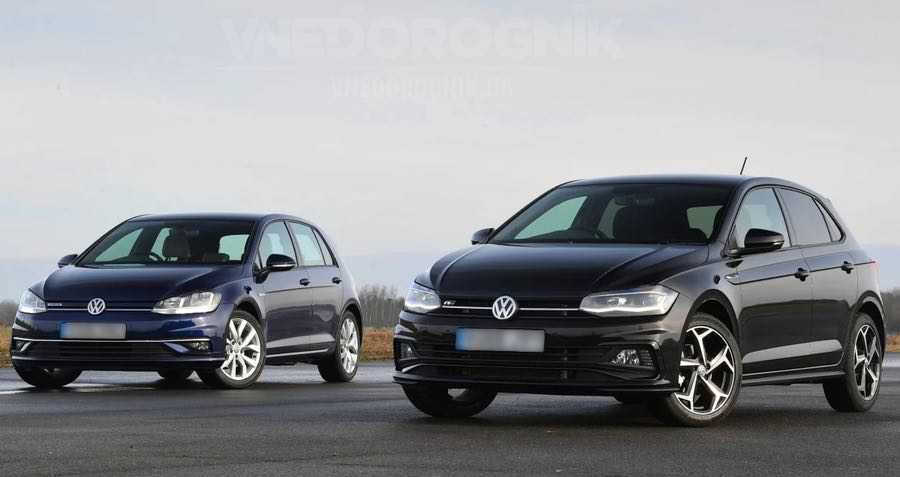
Subcompact and compact cars provide basic needs for drivers. Even when these cars are brand new, they are affordable for most drivers. The interior and cargo space of these types of cars are not particularly roomy, but they are excellent for city parking and are fuel-efficient. Subcompact and compact cars are a great choice for single people living in the city.
Mid-size and Full-size Cars
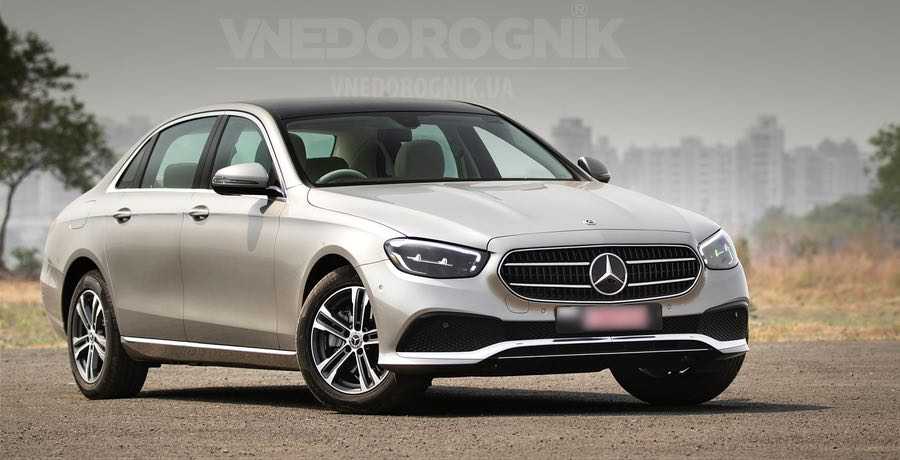
Mid-size cars are the middle link—not too small and not too large. Full-size cars are the largest sedans you can purchase. Mid-size and full-size dimensions also apply to SUVs.
Long Wheelbase Cars (LWB)
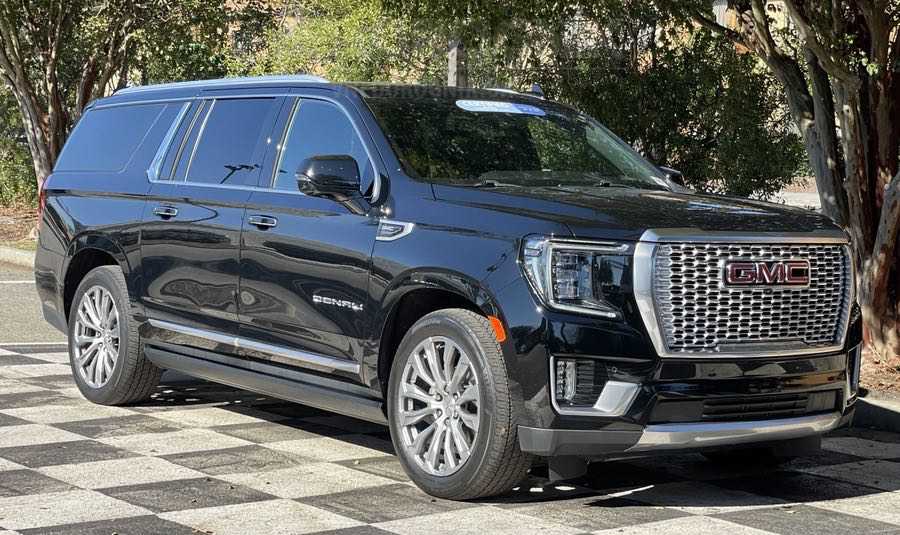
This size type is reserved for premium sedans, SUVs, and pickups. Such cars offer the maximum amount of space for the driver's daily activities.
How Cars Are Classified by Purpose
Family Cars
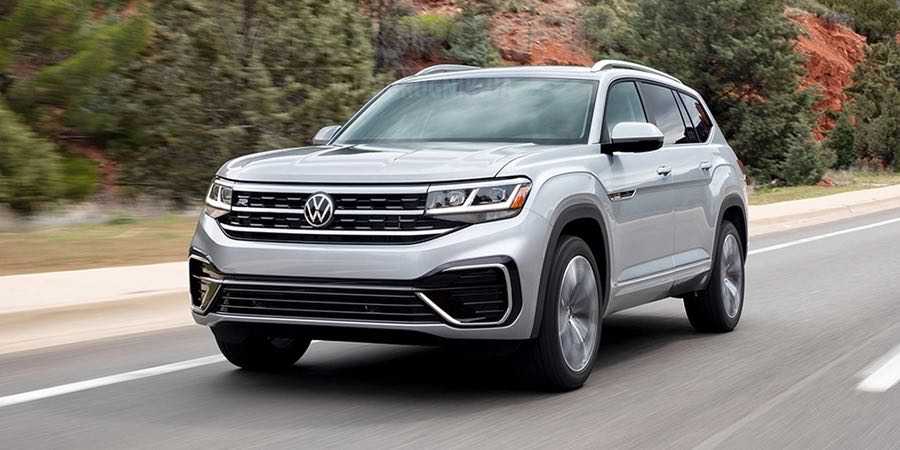
When the automotive industry says "family," it usually implies two adults caring for several children. With this in mind, any car with enough space for a growing family is considered a family car. Minivans, SUVs, and full-size sedans are vehicles specifically created for families. These cars are equipped with infotainment systems, many compartments, multiple rows of seats, etc.
Sports Cars

Performance-prepared sports cars are designed for competition. They have powerful engines, exceptional handling, and an impressive appearance. This type of car is not for the average driver, which explains their high price—imagine $40,000 for just one engine. To properly drive racing cars, you need to take courses and get a lot of practice at designated locations—tracks.
Commercial Vehicles
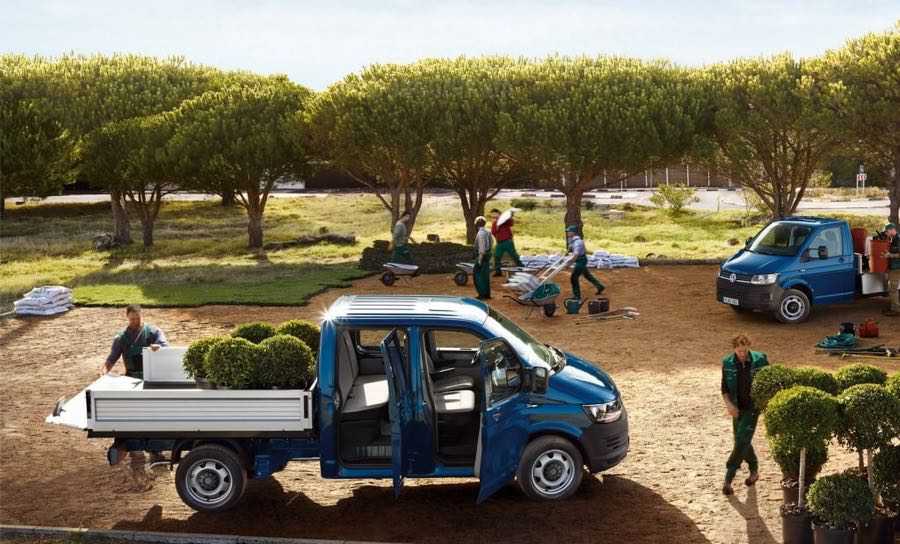
Commercial transport helps people conduct business, meaning a person or company gets paid to transport goods or people. Cargo and passenger minibuses, pickups, and vans are commercial vehicles used for heavy-duty conditions and can be customized as you wish.
Concept Cars

These types of cars are ideas brought to life but not produced on a mass scale. An automaker presents them to the public to gauge reaction and show their vision. they decide whether the prototype car will be launched into production, whether its refinement will continue, or if the idea will be abandoned. These vehicles are radically unconventional in technology, design, and utility.
Show Cars
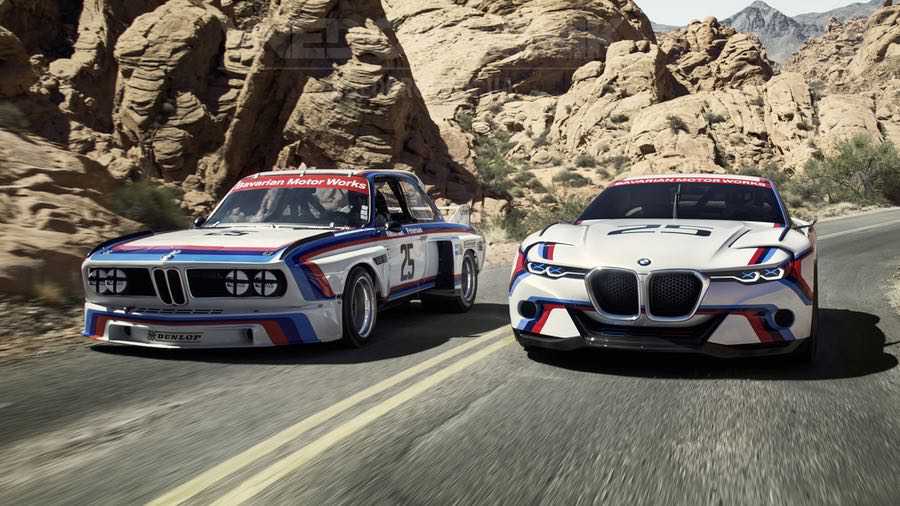
Any car with amazing customization, rare or super-unique, can become a show car. It is not driven but put on display. For example, a fan of the first-generation Ford Mustang Shelby might buy such a car and store it or display it at auto shows.
Exotic Cars

Exotic cars are unrivaled in performance, comfort, and striking appearance. This type of car exists in limited numbers, costs from $100,000 and up, and requires astronomically high maintenance costs. Maintenance and parts for such cars start from $8,000, and that's just at minimum prices. Ferrari and Lamborghini are the most common exotic cars.
Off-roaders

An off-roader is the best type of car for driving off the pavement thanks to its tires, all-wheel drive transmission, and exceptional suspension system. These cars have many features for comfortable travel over rough, marshy, rocky, and steep terrain.
Limousines
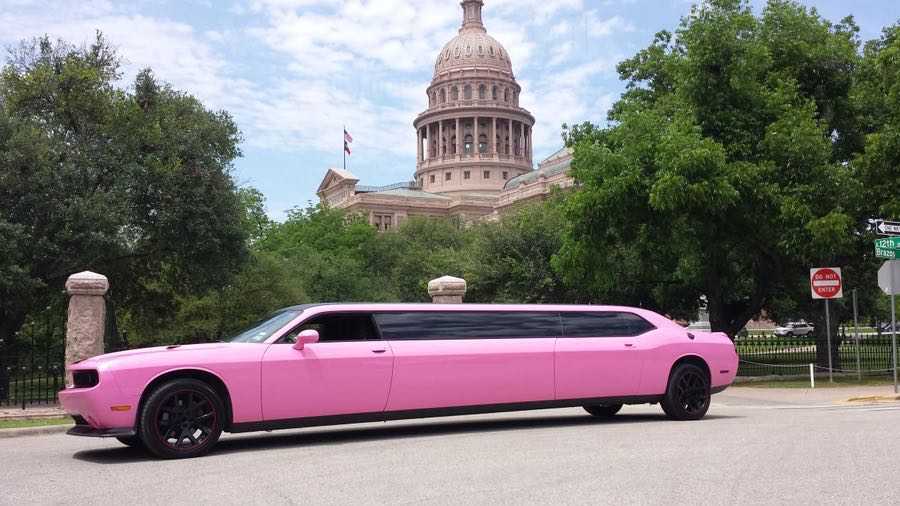
For luxury, order a limousine. These are elongated cars with a partition between the driver and passengers. Limousines have many features that provide maximum luxury, such as refreshments, soft leather seats, and a high-quality stereo system.
Military Vehicles
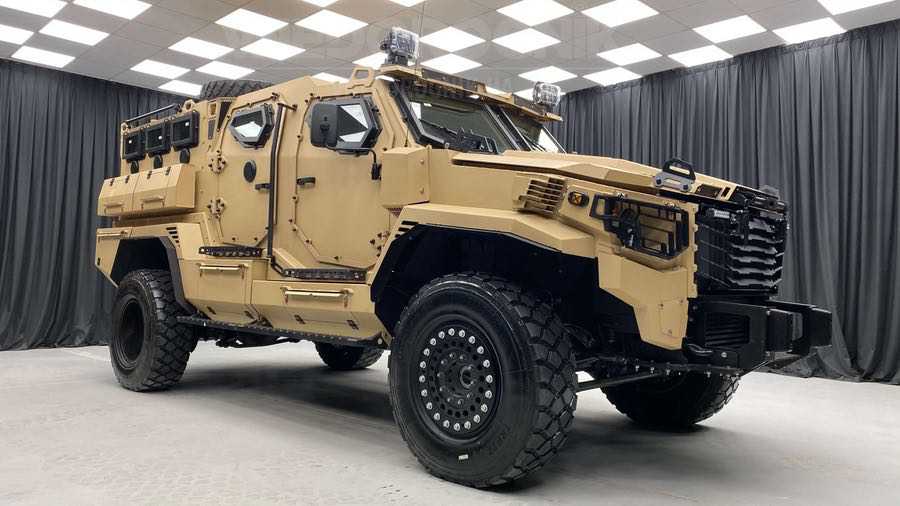
A military vehicle is created for combat with several layers of armor. This type of vehicle is capable of withstanding explosions and bullets while transporting soldiers and cargo. These vehicles are equipped with weaponry to protect soldiers during an enemy attack.
How Cars Are Classified by Price Range
Luxury Cars
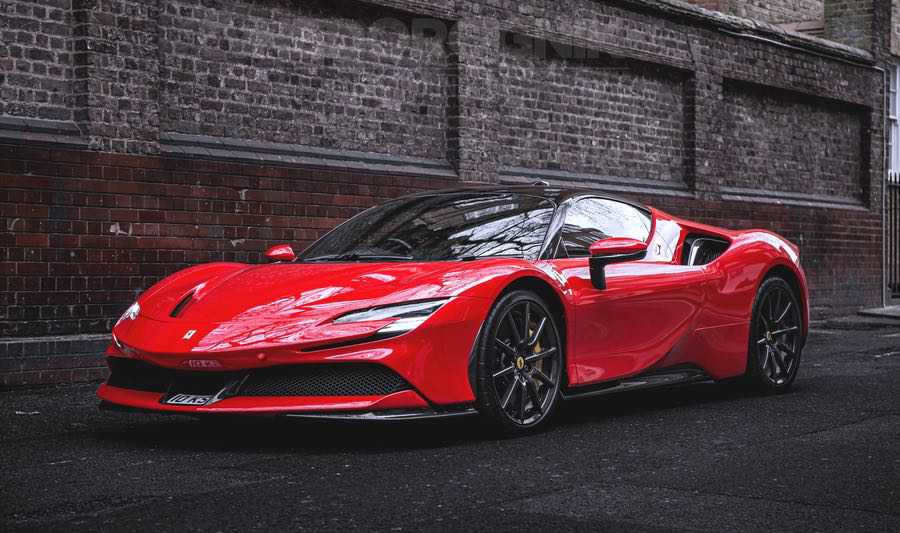
Cars with powerful performance, maximum comfort, the latest technology, and a smooth ride are "luxury" class cars. The interior of a luxury car is trimmed with various types of luxurious materials such as suede and leather. You will enjoy heated seats with 4-way lumbar support, providing optimal comfort. People with high incomes drive luxury cars. The insurance premium for luxury cars is usually higher because they are expensive to repair and replace.
Economy Class Cars
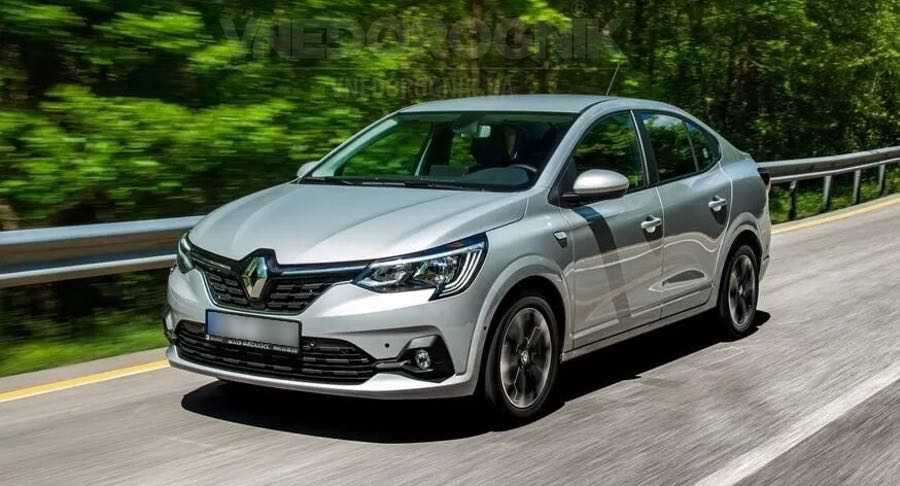
Cars in this class are accessible to many. The price of the vehicle itself and its maintenance make these cars easy on the budget. This type of car is not always equipped with all the bells and whistles, but it will get you from point "A" to point "B" without problems. Used and certified pre-owned cars are also excellent economical vehicles. Used cars are vehicles that have not just come off the production line.
How Cars Are Classified by Engine and Fuel Type
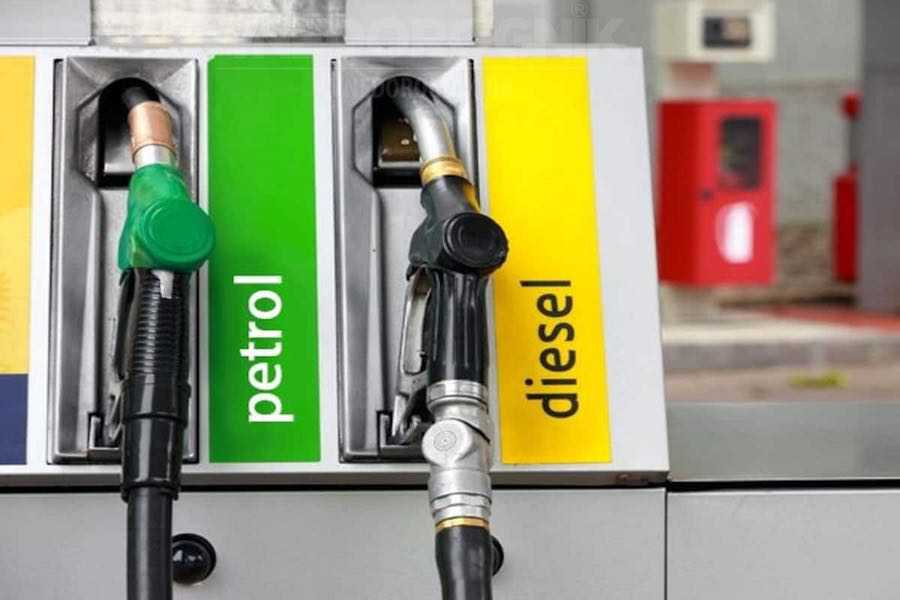
Gasoline Vehicles
Gasoline (petrol) is a highly flammable substance derived from petroleum products. Today, it is the most common type of fuel, used by billions of cars every day. However, it seems that new types of engines are beginning to displace gasoline and diesel ones.
Diesel Cars
Diesel cars use an internal combustion engine running on diesel fuel—which is thicker than gasoline. Instead of using a spark like gasoline ICEs, diesel engines compress air until it's hot and then inject fuel to cause combustion. Diesel engines have a higher efficiency than gasoline ones, so they are often used in commercial vehicles.
Natural Gas Vehicles
This type of fuel is popular because of its low price compared to gasoline and diesel. Gas also burns more cleanly. Structurally, cars with gas equipment are very close to gasoline ones. But the process of refueling such a car requires compliance with stricter safety rules than for liquid fuel.
Electric Vehicles
Instead of converting chemical energy into mechanical energy, electric vehicles convert electrical energy into mechanical energy using a motor. Electric vehicles are becoming increasingly popular among manufacturers as fossil fuel reserves are depleted. In addition, this type of vehicle runs on clean, green energy.
Hybrid Cars
Hybrid cars run on an electric motor, an internal combustion engine, and regenerative braking. This type of car is another alternative for drivers who want a vehicle that reduces their carbon footprint and travel costs. Some hybrids are plug-in (PHEV) and some are not. You can learn more about all types of hybrids in our article.
Alternative Fuel Vehicles
Fuel cell electric vehicles (FCEV) convert hydrogen into electricity, which is then turned into mechanical energy. Instead of exhaust gases, this type of car emits water vapor, which is safer for the environment.
How Cars Are Classified by Performance Characteristics
Sports Cars
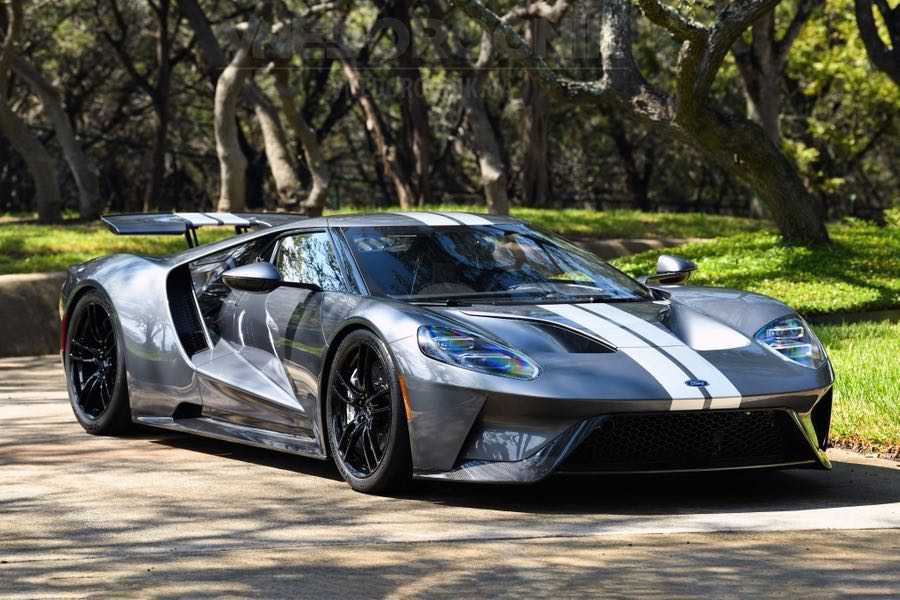
A sports car is generally a coupe or convertible with two seats and a cool look. These cars are expensive and have large, powerful engines. Sports cars also possess excellent handling, making them superb in corners.
Muscle Cars
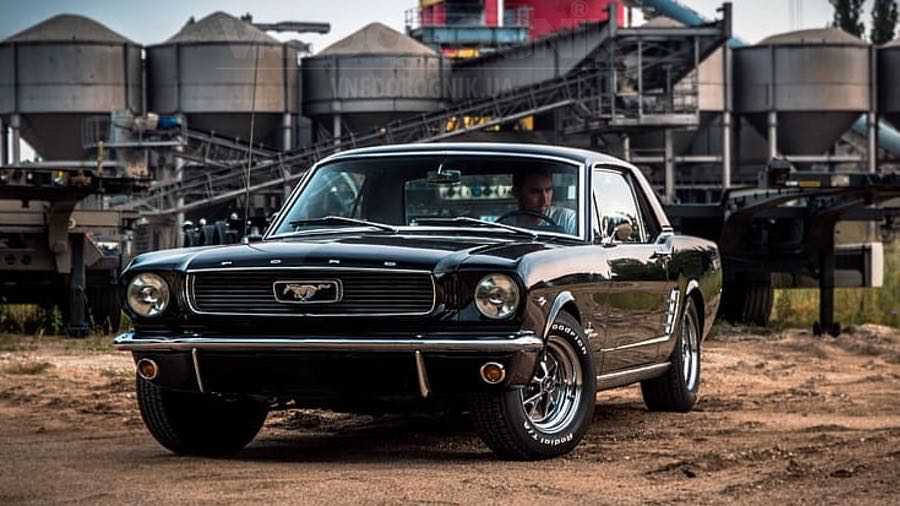
Muscle cars appeared in the USA in the 1960s and still remain a fairly popular class of cars. The original philosophy of this class is a relatively inexpensive car with a simple design that has a massive, powerful engine and a sporty look, usually a coupe body. Nowadays, these cars have become more high-tech and expensive, but they are still more accessible than true exotic sports cars.
Roadsters and Spyders
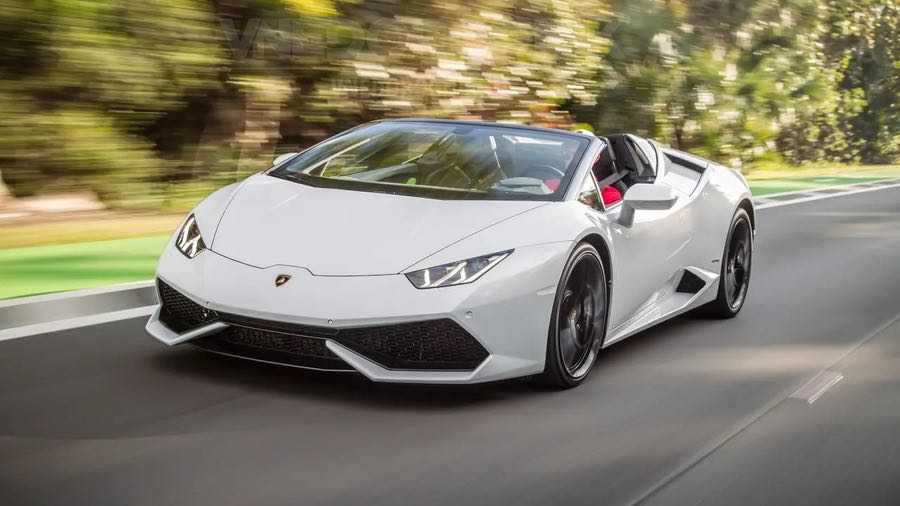
Both types of cars are varieties of convertibles. These vehicles originate from the era of horses and carriages. Back then, it was the name for small two-seater horse-drawn carriages without a permanent roof. Today, these terms can refer to both regular convertibles with hard or soft roofs and classic roadsters, which instead of a roof and side windows have a separate canvas awning that is snapped on manually.
Hot Rods
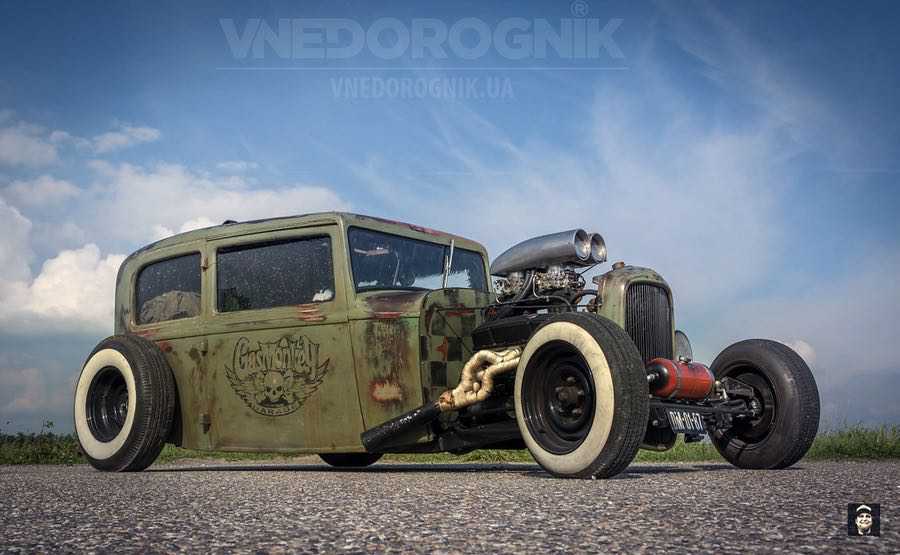
Hot rods are cars from the 1920s–1930s radically modified for faster driving. Usually, they have a huge, powerful engine from a sportier car installed, which sometimes doesn't even fit under the hood. Because of this, most hot rods have an open engine compartment. These modifications were made not by automakers, but by the owners themselves, either in their own garage or in specialized workshops. Today, this is a distinct historical and cultural movement.
Dragsters

A dragster is a type of specialized racing car built exclusively for straight-line racing, a sport called drag racing. This type of car has an elongated single-seat body with open small wheels in the front and huge ones in the back. The engine and transmission are also located in the rear. The power of such cars is measured in thousands of horsepower and they are, obviously, unsuitable for use on public roads.





 15min
15min