Back
Back 

Springs are the "workhorses" of the suspension of any pickup truck or prepared SUV. As long as they work properly, we don't notice them. But if the metal "gets tired", the trip turns into a test for the spine, and the handling becomes unpredictable.
Many owners of Mitsubishi L200, Toyota Hilux, Nissan Navara or UAZ delay the moment of replacement, believing that "the iron is still coming." However, a worn spring is not only discomfort, but also a direct threat to safety.
In this article, we will analyze the 5 main signs that your car needs tuning or suspension replacement.
1. Visual sagging of the body ("The clearance is no longer the same")
The most obvious sign. If you notice that the back of the car has become lower than usual, or the body has fallen to one side, the springs have “sat down”.
Why it's dangerous: Suspension travel is reduced. At the very first serious pothole, the shock absorber will "kick back", which can lead to its breakdown.
How to check: Measure the distance from the center of the wheel to the arch on an empty car and compare with the passport data of your model.
2. S-shaped bending and deformation of sheets
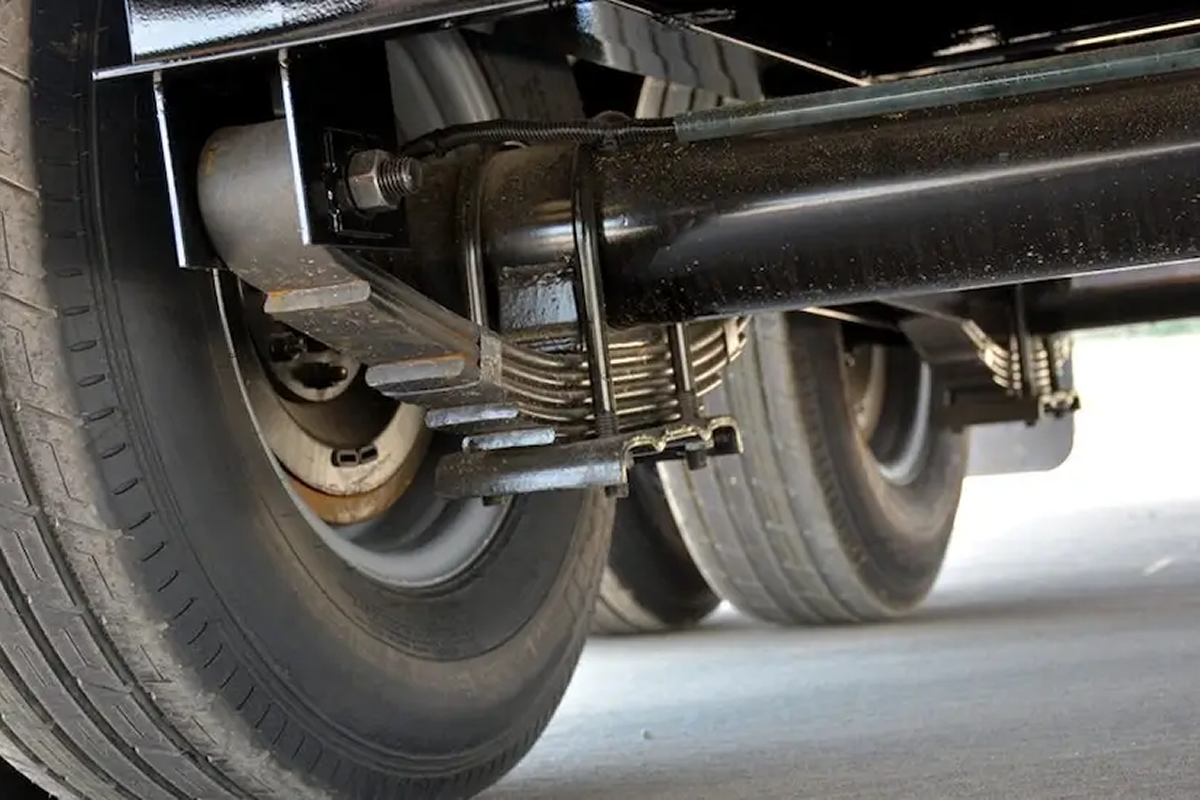
"Metal fatigue" is a physical process. Under constant load, the spring leaves lose their original arched shape. If you looked under the bottom and saw that the spring became straight or (worse) bent backwards in the shape of the letter S - you need to change it immediately.
Advice from Vnedorognik: Do not try to "ride" old springs. This will only give a temporary effect for a few months, after which the metal will burst due to the broken structure.
3. Creaking, grinding and extraneous sounds
If you hear a metallic screech or a constant "rubber" squeal while driving off-road, this is a sign of wear.
Creaking often occurs due to wear of anti-squeak washers (plastic inserts between sheets).
The creaking indicates that the sheets are rubbing metal against metal, eroding the protective layer and provoking corrosion.
Also check the spring bushings and silent blocks. If they are broken, the bridge will start to "walk", which will worsen course stability.
4. Excessive shakiness and "breakdowns" of the suspension
Are you driving along the usual road, but now every bump responds with a hard blow to the body? This means that the springs have lost energy. Also, pay attention to rocking: if the rear part of the car continues to "dance" up and down after driving over a bump, the load on the shock absorbers has increased many times, because the springs no longer absorb the initial energy of the impact.
5. Cracks on sheets and corrosion
This is a critical sign. A crack in one of the sheets (not even the original one) is a sentence for the whole package. During the next jump or loading the trunk, a broken sheet can damage the brake hoses, fuel tank or even fly onto the road.
What to look for: Inspect the sheets near the center bolt and where the clamps are attached. It is there that microcracks appear most often.
What to choose for replacement: original or reinforced springs?
If you often go off-road, transport goods or have installed additional equipment (power bumper, winch, kung), standard springs will not last long.
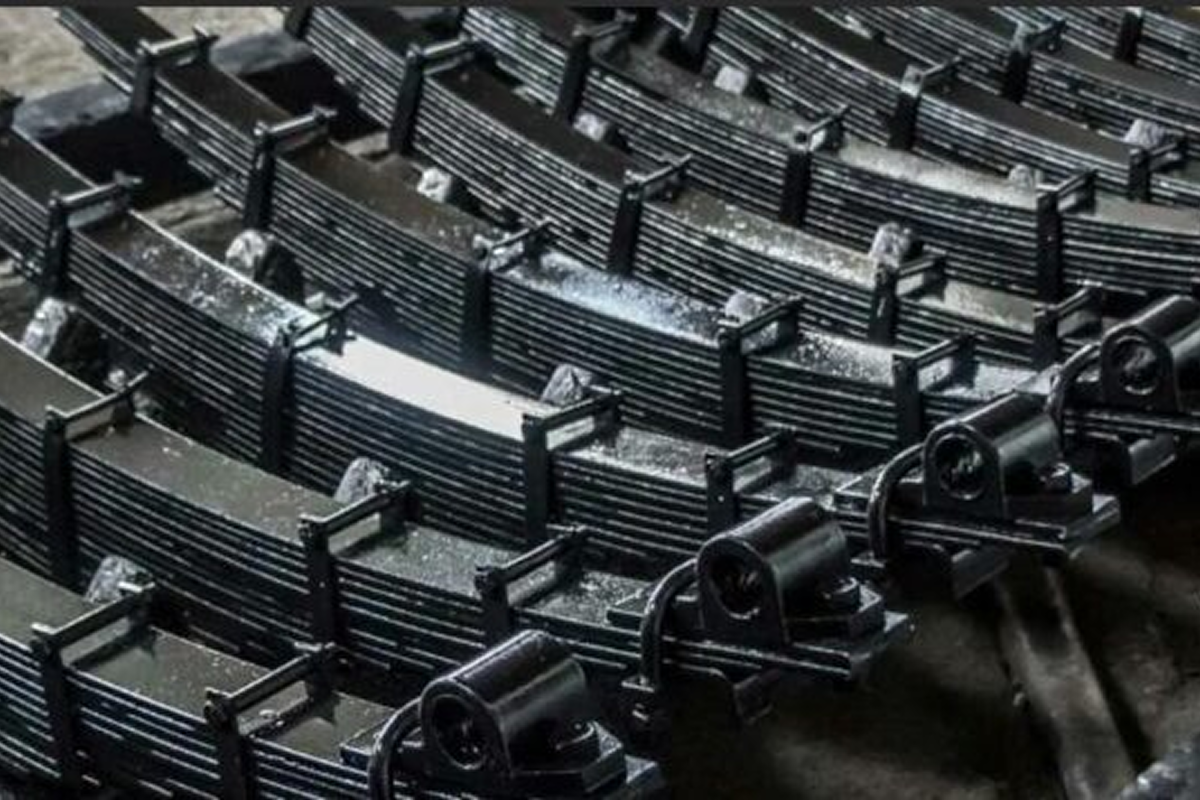
Reinforced springs have several advantages:
- Increased Lift: You get an extra 20-50mm of ground clearance.
- Variability of the load: you can choose an option for a specific weight (for example, +200 kg or +500 kg of constant load).
- Durability: use of high-quality steel and Shot Peening technology (shot peening to strengthen the surface).
Springsis the safety of your family and the integrity of your car. Don't wait for the leaf to peel off in the middle of the track. Have you noticed a sag or extraneous sound? Time to update the suspension!
Need help choosing? Contact the managers of Vnedorognik.ua. We will select the perfect set of springs for your SUV model and your tasks!





 4min
4min